wintage_litigation
June 10, 2026
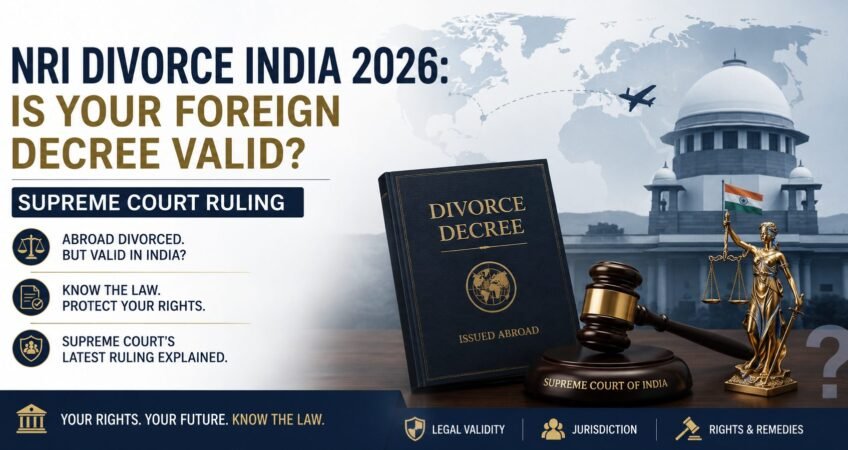
By Advocate Karan Dua | Vintage Litigation, New Delhi Published: June 2026 You got divorced in the United States. Or the United Kingdom. Or Canada. The court proceedings are over. The decree is signed. You have moved on —perhaps remarried, perhaps finalising property, perhaps making plans for your children. And then someone tells you: your […]
wintage_litigation
June 9, 2026
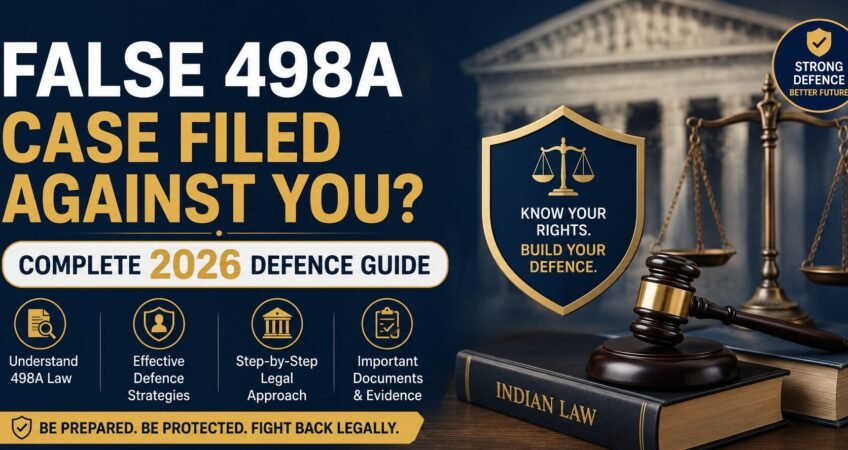
By Advocate Karan Dua | Vintage Litigation, New Delhi Published: June 2026 The FIR has been filed. Your name is on it — and so are your parents’, your mother’s, your sister’s. Nobody has been arrested yet. But your phone is buzzing with calls you don’t know how to answer. Your elderly parents are terrified. […]
wintage_litigation
June 8, 2026
By Advocate Karan Dua | Vintage Litigation, New Delhi Published: June 2026 You sat through months of mediation. You made painful compromises. You agreed on alimony, on the flat, on where the children would live. You signed the settlement. Your spouse signed it too. Then — days before the second motion hearing — your spouse […]
wintage_litigation
June 5, 2026
By Advocate Karan Dua | Vintage Litigation, Delhi | Marriage Law, Divorce Law, Family Lawyer You are getting married. You have built a business, inherited property, or simply want clarity about what happens if things go wrong. You want a prenuptial agreement. Can you have one in India? The short answer is: yes — but […]
wintage_litigation
June 3, 2026
Introduction: The Side of Divorce Nobody Talks About When a marriage breaks down in Delhi, conversations about legal rights almost always centre on the wife. But thousands of husbands every year face their own urgent questions — questions that can determine whether they keep their home, see their children, or avoid wrongful arrest. This guide […]
wintage_litigation
June 2, 2026
Author By Advocate Karan Dua | Vintage Litigation Introduction Live-in relationships are no longer rare in Delhi. Thousands of couples — from working professionals in Lajpat Nagar to students in South Extension — are choosing to live together without registering a marriage. But when the relationship ends, the legal questions arrive fast and without warning. […]
wintage_litigation
June 1, 2026
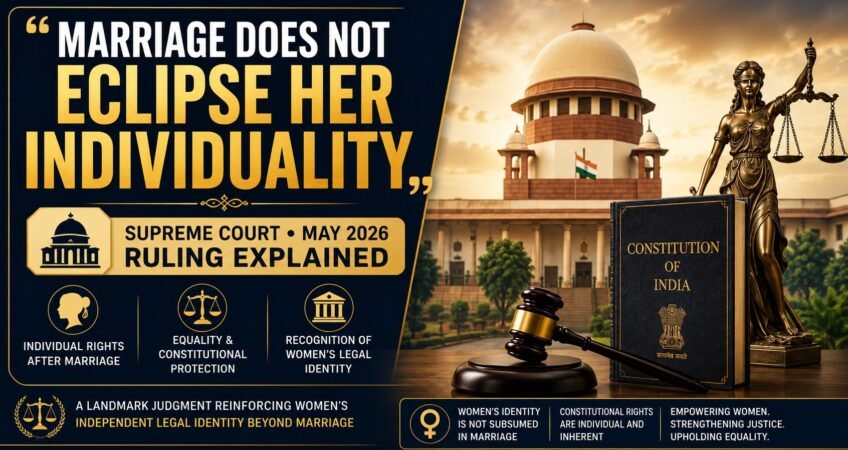
Based on Ann Saurabh Dutt v. Lieutenant Colonel Saurabh Iqbal Bahadur Dutt (2026 INSC 475), decided 12 May 2026 — Supreme Court of India. Trending nationally and internationally. Zero article from any Delhi matrimonial law firm yet. By Advocate Karan Dua | The Matrimonial Lawyers, New Delhi | June 2026 Matrimonial Law Specialist | Delhi […]
wintage_litigation
May 29, 2026
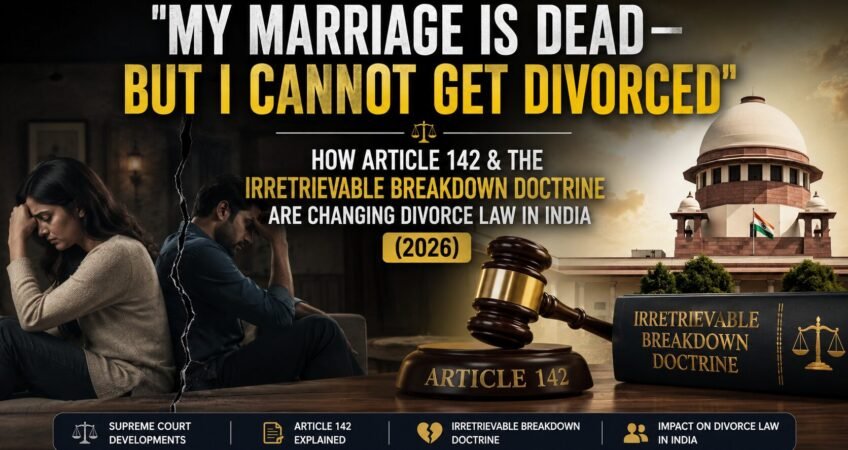
By Advocate Karan Dua | Vintage Litigation, Delhi | Published: 29 May 2026 | Every week, Indians walk into family courts with the same anguished question: “Our marriage has been dead for years — why can’t I get a divorce?” The answer lies in a peculiar legal gap: Indian law does not recognise the simple […]
wintage_litigation
May 28, 2026
Written by Adv. Karan Dua | Matrimonial Law Specialist | Delhi High Court & Supreme Court of India 15+ Years Exclusive Practice in Family & Matrimonial Law | Jangpura, New Delhi Introduction: The Question Every Divorcing Couple Asks Who gets the house? It is the single most anxious question I hear from clients — whether […]
wintage_litigation
May 27, 2026
Written by Adv. Karan Dua | Matrimonial Law Specialist | Delhi High Court & Supreme Court of India 8+ Years Exclusive Practice in Family & Matrimonial Law | Jangpura, New Delhi Last updated: May 2026 | Estimated reading time: 9 minutes When a marriage breaks down, most people’s attention goes immediately to custody, alimony, and […]