
How timing affects domestic violence cases explained by domestic violence lawyer in Delhi

How Timing Affects Domestic Violence Cases: File Early or Late?

 Domestic Violence Lawyer in Delhi | Legal Timing Guide (2026) When facing abuse, one of the biggest questions victims struggle with is: “Should I file a domestic violence case now or wait?” The truth is—timing can significantly impact the outcome of your case. Whether you act immediately or delay filing, each choice has legal consequences, […]

Continue Reading
NRI divorce case in India with couple and lawyer in courtroom, cross-border marriage dispute, divorce lawyer in Delhi handling international legal issues

How NRI Marriages Complicate Divorce Cases in India

NRI marriages often seem glamorous at the beginning, but when disputes arise, they can become legally complex and emotionally exhausting. A divorce involving a Non-Resident Indian (NRI) brings cross-border legal challenges, jurisdiction issues, and enforcement difficulties. If you are dealing with such a situation, consulting an experienced divorce lawyer in Delhi or family lawyer in […]

Continue Reading
Marriage registration in Delhi banner showing Indian couple with marriage certificate and India Gate – complete guide 2026

Marriage Registration – Complete Guide (2026)

Registering your marriage goes through an issuance process before any party can receive any benefits from registering a marriage. Even if you got married in a traditional or court ceremony, registering your marriage provides both spouses with legal rights and protection under the law. This is the complete 2026 step by step guide to register […]

Continue Reading
Fight smart not hard transfer petition in matrimonial cases banner showing legal strategy, distressed couple, Lady Justice, and Indian court landmarks for case transfer concept

Fight Smart, Not Hard: Transfer Petition in Matrimonial Cases Explained (2026 Guide)

Introduction Matrimonial disputes are not just emotionally draining—they can also become logistically challenging, especially when cases are filed in different cities. Imagine dealing with a divorce or custody battle while constantly traveling long distances for court hearings. This is where you need to fight smart, not hard. A transfer petition in matrimonial cases is a […]

Continue Reading
AI evidence in matrimonial cases Delhi, showing Indian Supreme Court, artificial intelligence interface, digital evidence analysis, and legal courtroom setting.

Can AI Evidence Be Used in Matrimonial Cases? A 2026 Legal Insight

With rapid advancements in artificial intelligence, the legal landscape is evolving faster than ever. From chatbots to deepfake detection tools, AI is now influencing how evidence is created, presented, and evaluated in courts. But the big question remains: Can AI evidence be used in matrimonial cases? In 2026, this is no longer a hypothetical scenario. […]

Continue Reading
Divorce case illustration showing a conflicted couple and a lawyer providing a customized legal strategy in a courtroom setting

Why Every Divorce Case Needs a Customized Legal Approach

No two relationships are the same—and neither are divorce cases. Yet, many people approach divorce assuming there’s a fixed formula. In reality, every case requires a customized legal strategy tailored to individual circumstances. An experienced divorce lawyer in Delhi understands that factors like financial background, family dynamics, and legal objectives play a crucial role in […]
Continue Reading
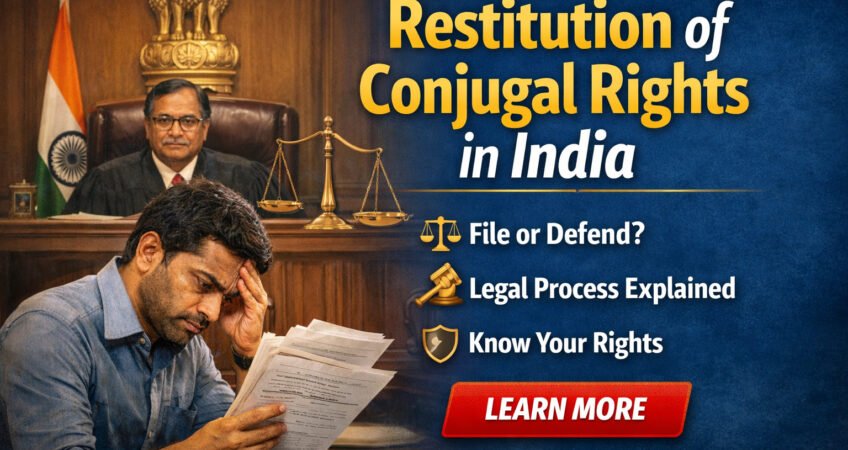
Restitution of conjugal rights in India courtroom scene with judge and stressed husband holding legal papers

Restitution of Conjugal Rights: Should You File or Defend?

When a marriage starts falling apart, people often look for legal solutions—but not all remedies are clearly understood. One such remedy is Restitution of Conjugal Rights (RCR). Some people file it hoping to save their marriage. Others receive a notice and feel confused or even threatened. The truth is, RCR is not just a legal […]
Continue Reading
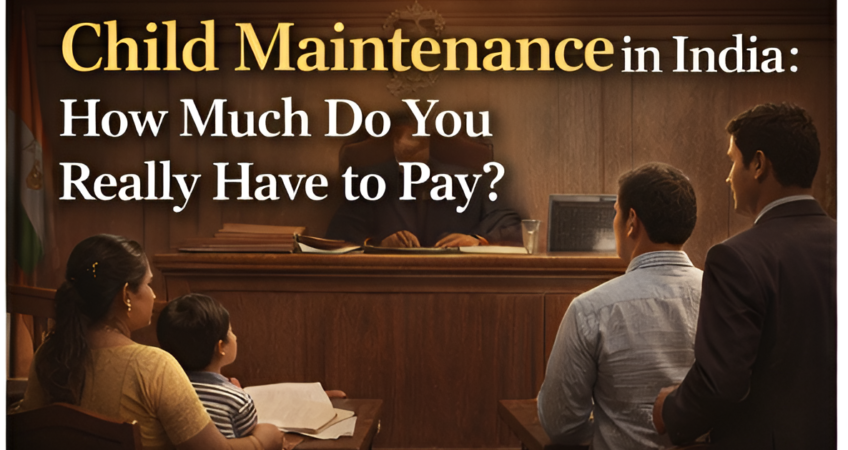
Child maintenance in India courtroom scene with judge, parents, and child during legal proceedings with text about maintenance amount and court decision

Child Maintenance in India: How Much Do You Really Have to Pay

Child maintenance in India is not calculated using a strict formula or fixed percentage. Instead, courts take a balanced and practical approach, focusing on what is fair for the child while also considering the financial capacity of both parents. The primary objective is simple: the child should not suffer because of the separation or divorce […]
Continue Reading

 Domestic Violence Lawyer in Delhi | Legal Timing Guide (2026)

When facing abuse, one of the biggest questions victims struggle with is:
“Should I file a domestic violence case now or wait?”

The truth is—timing can significantly impact the outcome of your case. Whether you act immediately or delay filing, each choice has legal consequences, advantages, and risks.

If you’re searching for a domestic violence lawyer in Delhi, this guide will help you understand how timing affects your case and what you should do.

Does Timing Matter in Domestic Violence Cases?

Unlike many legal matters, domestic violence cases under the Protection of Women from Domestic Violence Act, 2005 do not have a strict limitation period for filing.

However, courts closely examine the timing to assess:

  • Credibility of the complaint
  • Availability of evidence
  • Urgency of protection required

So while you can file later, filing at the right time strengthens your case significantly.

Filing Early: Advantages You Should Know

  1. Stronger Evidence Collection

Filing early ensures:

  • Fresh injuries (if any) are documented
  • Messages, calls, and threats are recent
  • Witnesses remember incidents clearly

This makes it easier for a domestic violence advocate in Delhi to build a solid case.

  1. Immediate Legal Protection

Early filing allows you to get:

  • Protection orders
  • Residence rights
  • Monetary relief

Courts in Delhi often grant urgent interim relief when the complaint is timely.

  1. Higher Credibility in Court

When a complaint is filed quickly, courts are more likely to see it as genuine and urgent, rather than an afterthought.

  1. Safety Comes First

If you’re in immediate danger, delaying can worsen the situation. Early legal action ensures your safety is prioritized.

 Filing Late: What Happens If You Delay?

Delaying a domestic violence case does NOT mean you lose your rights—but it can create challenges.

  1. Weakening of Evidence
  • Messages may get deleted
  • Physical proof may disappear
  • Witnesses may forget details

This can make it harder for your domestic violence lawyer near you in Delhi to prove the case.

  1. Questions from the Court

Courts may ask:

  • Why was there a delay?
  • What changed now?

You must provide a valid explanation, such as fear, social pressure, or financial dependence.

  1. Risk of Counter-Allegations

The opposing side may argue that:

  • The case is false or exaggerated
  • It is filed for revenge or financial gain

This is why legal guidance becomes crucial in delayed cases.

  1. Emotional & Mental Impact

Waiting too long can increase stress, trauma, and complexity of the situation.

 When Filing Late Still Works Strongly

Even if you delay, your case can still be strong if:

  • You have documented proof (messages, emails, recordings)
  • There is a pattern of abuse over time
  • You can explain the delay clearly

Courts understand that many victims delay due to:

  • Fear of family pressure
  • Financial dependency
  • Social stigma

A skilled domestic violence lawyer in Delhi can present your case effectively even after delay.

Early vs Late Filing: Quick Comparison

Factor Filing Early Filing Late
Evidence Strong & fresh May weaken
Court perception More credible Needs explanation
Protection Immediate Delayed
Risk Lower Higher


 What Should You Do? (Practical Advice)

If you’re facing domestic violence:

✔ Document everything (messages, incidents, dates)
✔ Seek medical help if needed
✔ Consult a domestic violence lawyer in Delhi immediately
✔ Avoid unnecessary delay unless safety is at risk
✔ Take legal advice before making any major move


 Conclusion

So, should you file early or late?

 The clear answer is: File as early as possible.

While the law allows delayed complaints, early action strengthens your case, ensures faster protection, and improves credibility in court.

If you’re unsure about your situation, consulting an experienced domestic violence lawyer in Delhi can help you take the right step at the right time.


 FAQs: Timing in Domestic Violence Cases

  1. Is there a time limit to file a domestic violence case in India?

No, there is no strict limitation period under the law, but timing still affects the strength of the case.

  1. Can I file a case after years of abuse?

Yes, but you must explain the delay and provide supporting evidence.

  1. Will delay weaken my case?

It can, especially if evidence is lost. However, strong documentation can still support your case.

  1. What is the best time to file a domestic violence case?

As soon as possible after the incident, especially if safety is at risk.

  1. Can I get immediate protection if I file early?

Yes, courts can grant quick protection orders in urgent cases.

  1. Should I consult a lawyer before filing?

Yes, consulting a domestic violence lawyer in Delhi ensures your case is properly handled.

  1. Can delayed cases still win in court?

Yes, if supported by evidence and valid reasons for delay.

Written by Adv. Karan Dua, practising in Delhi, focuses on matrimonial and family law matters.

NRI marriages often seem glamorous at the beginning, but when disputes arise, they can become legally complex and emotionally exhausting. A divorce involving a Non-Resident Indian (NRI) brings cross-border legal challenges, jurisdiction issues, and enforcement difficulties.

If you are dealing with such a situation, consulting an experienced divorce lawyer in Delhi or family lawyer in Delhi becomes crucial to protect your rights.


What is an NRI Marriage?

An NRI marriage typically involves one spouse living abroad (such as in the USA, UK, Canada, or UAE) while the other resides in India. These marriages are usually registered under Indian laws like the Hindu Marriage Act or the Special Marriage Act.

However, when conflicts arise, the involvement of two countries’ legal systems makes the situation complicated.


  1. Jurisdiction Issues in Divorce Cases

One of the biggest challenges in NRI divorce cases is deciding where the divorce should be filed.

  • The spouse living abroad may file for divorce in a foreign court
  • The spouse in India may file the case in an Indian court

This leads to parallel proceedings in different countries. Indian courts may not always recognize foreign divorce orders unless they comply with Indian laws.

That’s why taking advice from a best divorce lawyer in Delhi is essential to decide the correct jurisdiction.


  1. Validity of Foreign Divorce Decrees

Not all foreign divorce judgments are valid in India. As per the Code of Civil Procedure, 1908, a foreign decree is valid only if:

  • It is passed on merits
  • Both parties had a fair chance to present their case
  • It does not violate Indian law

Many NRIs obtain quick divorces abroad, but such decrees are often challenged in Indian courts, creating further complications.


  1. Service of Notice and Legal Delays

Serving legal notice to a spouse living abroad can be time-consuming.

  • International service procedures are lengthy
  • Incorrect service can delay the case
  • Non-appearance of the NRI spouse leads to further complications

An experienced advocate in Delhi ensures proper legal procedure is followed to avoid delays.


  1. Maintenance and Financial Disputes

Maintenance (alimony) becomes complicated when one spouse earns in foreign currency.

Indian courts consider:

  • Income of the NRI spouse
  • Standard of living abroad
  • Financial needs of the spouse in India

However, enforcing maintenance orders in another country can be difficult. This is where an experienced maintenance case lawyer in Delhi plays a key role.


  1. Child Custody Complications

Child custody disputes in NRI marriages are highly sensitive.

Issues include:

  • Child living in a foreign country
  • One parent bringing the child to India without consent
  • Conflict between Indian law and foreign law

Indian courts prioritize the welfare of the child, but international custody disputes can become complex. A skilled child custody lawyer in Delhi is essential in such cases.


  1. Passport, Visa & Travel Restrictions

In many NRI divorce cases:

  • Courts may restrict travel of one spouse
  • Passport issues may arise
  • Visa complications can impact hearings

Sometimes, courts may even impound passports to ensure cooperation in the case.


  1. Documentation and Evidence Challenges

Collecting evidence from another country is not easy.

Important documents may include:

  • Marriage certificate
  • Financial records abroad
  • Communication (emails, chats)
  • Proof of residence

Proper handling of evidence as per the Indian Evidence Act is crucial to build a strong case.


  1. Risk of Fraud and Abandonment

Many NRI marriage disputes involve serious issues like:

  • Fraudulent marriages
  • Fake promises of settlement abroad
  • Abandonment after marriage

In such cases, legal remedies like FIR, domestic violence complaints, and immigration alerts may be required.


Why Choose a Divorce Lawyer in Delhi for NRI Cases?

Delhi handles a large number of NRI-related disputes. Hiring an experienced family lawyer in Delhi ensures:

  • Proper jurisdiction strategy
  • Handling of international legal issues
  • Strong documentation and representation
  • Faster resolution of complex cases


Conclusion

NRI marriages bring unique legal challenges that require specialized knowledge and strategic handling. From jurisdiction issues to enforcement of court orders, every step needs careful planning.

If you are facing such a situation, consulting the best divorce lawyer in Delhi or a trusted law firm in Delhi can help you navigate the complexities and protect your rights effectively.


FAQs – NRI Divorce Cases in India

Q1. Can an NRI file for divorce in India?

Yes, an NRI can file for divorce in India if the marriage was registered in India or if the spouse resides here.

Q2. Is a foreign divorce valid in India?

Only if it meets conditions under Indian law and both parties had a fair hearing.

Q3. Which court handles NRI divorce cases in Delhi?

Family courts in Delhi handle such cases depending on jurisdiction.

Q4. Can maintenance be claimed from an NRI spouse?

Yes, Indian courts can order maintenance, but enforcement abroad may require additional legal steps.

Q5. What happens if the NRI spouse does not appear in court?

The court may proceed ex-parte (in absence) if proper notice is served.

Q6. Can child custody be decided in India if the child lives abroad?

Yes, but it depends on circumstances and the child’s welfare.

Q7. Do I need a special lawyer for NRI divorce cases?

Yes, it is advisable to hire an experienced NRI divorce lawyer in Delhi for better handling of international legal issues.

Written by Adv. Karan Duapractising in Delhi, focuses on matrimonial and family law matters.

Registering your marriage goes through an issuance process before any party can receive any benefits from registering a marriage. Even if you got married in a traditional or court ceremony, registering your marriage provides both spouses with legal rights and protection under the law.

This is the complete 2026 step by step guide to register a marriage in Delhi with all the details you need regarding registering a marriage (including fees, paperwork, process) as well as information on whether you should register your own marriage or if it should be registries done through another party.

Why Marriage Registration is Important

Registering your marriage is not just a formality—it is a legal necessity. A marriage certificate in Delhi acts as valid proof for:

  • Passport and visa applications
  • Bank and insurance nominations
  • Property and inheritance rights
  • Legal disputes or divorce cases

Without proper marriage registration in Delhi, proving your marital status can become difficult in legal situations.

Types of Marriage Registration in Delhi

There are two main laws under which marriages are registered:

  1. Hindu Marriage Act, 1955

Applicable when both partners are Hindus, Buddhists, Jains, or Sikhs.

This applies if the marriage is already solemnized traditionally.

  1. Special Marriage Act, 1954

Applicable for:

  • Inter-religion marriages
  • Court marriages
  • Couples who want legal marriage without rituals

This process involves a notice period and is commonly used for court marriage in Delhi

Documents Required for Marriage Registration in Delhi

To complete your marriage registration in Delhi, you need:

  • Application form (duly filled and signed)
  • Proof of age (Aadhaar card, birth certificate, passport)
  • Address proof (Voter ID, Aadhaar, driving license)
  • Passport-size photographs
  • Marriage invitation card (if available)
  • Affidavit of marriage
  • Two witnesses with ID proof

Proper documentation ensures a smooth and fast marriage registration process in Delhi.

Step-by-Step Process of Marriage Registration

Step 1: Online Application

Visit the Delhi government portal and fill out the application for marriage registration in Delhi.


Step 2: Appointment Booking

Choose a date for document verification at the Sub-Divisional Magistrate (SDM) office.


Step 3: Document Verification

Both partners and witnesses must be present for verification.


Step 4: Issuance of Certificate

Once verified, the marriage certificate in Delhi is issued.


Marriage Registration Fees in Delhi

The fees for marriage registration in Delhi are generally affordable:

  • Hindu Marriage Act: ₹100 – ₹200
  • Special Marriage Act: ₹150 – ₹500

Additional charges may apply for affidavits or legal assistance.


Time Required for Marriage Registration

  • Under Hindu Marriage Act → 7–15 days
  • Under Special Marriage Act → Minimum 30 days (due to notice period)

Choosing the right process helps speed up your marriage registration in Delhi.


Benefits of Hiring a Lawyer for Marriage Registration

Although you can apply yourself, hiring a marriage registration lawyer in Delhi can make the process smoother.

A lawyer helps in:

  • Documentation
  • Appointment scheduling
  • Legal compliance
  • Avoiding delays or rejection


Common Mistakes to Avoid

  • Submitting incomplete documents
  • Incorrect details in application
  • Not bringing witnesses
  • Missing appointment dates

Avoiding these mistakes ensures a hassle-free marriage registration process in Delhi.


Final Thoughts

Completing your marriage registration in Delhi is essential for legal recognition and protection. Whether you choose the Hindu Marriage Act or the Special Marriage Act, understanding the process and requirements will help you avoid delays.

For a smooth experience, ensure all documents are ready and consider consulting a legal expert if needed.


 Need Help with Marriage Registration?

Consult a trusted marriage lawyer in Delhi today for quick and hassle-free registration


Frequently Asked Questions (FAQs)

  1. How can I apply for marriage registration in Delhi?

You can apply online through the Delhi government portal by filling out the form, uploading documents, and booking an appointment at the SDM office for verification.

  1. What documents are required for marriage registration in Delhi?

You need ID proof, address proof, age proof, passport-size photos, marriage proof, and two witnesses with valid ID for completing the marriage registration process in Delhi.

  1. How long does marriage registration take in Delhi?

Under the Hindu Marriage Act, it usually takes 7–15 days. Under the Special Marriage Act, it requires a minimum of 30 days due to the notice period.

  1. What is the fee for marriage registration in Delhi?

The marriage registration fees in Delhi are generally between ₹100–₹500 depending on the applicable act and services required.

  1. Is marriage registration compulsory in Delhi?

Yes, it is highly recommended as it provides legal proof of marriage and is required for official purposes like passport, visa, and legal matters.

  1. Can we register marriage online in Delhi?

You can apply online, but physical presence at the SDM office is required for document verification and final approval.

  1. What is the difference between court marriage and marriage registration?

Court marriage in Delhi is performed under the Special Marriage Act, while marriage registration is the legal recording of an already performed marriage.

  1. Do both partners need to be present for marriage registration?

Yes, both husband and wife must be present along with witnesses during the verification process.

  1. Can inter-religion marriages be registered in Delhi?

Yes, interfaith marriages are registered under the Special Marriage Act in Delhi.

  1. Is a lawyer required for marriage registration in Delhi?

Hiring a marriage registration lawyer in Delhi is not mandatory, but it can help avoid errors, delays, and ensure smooth processing.

Written by Adv. Karan Dua, practising in Delhi, focuses on matrimonial and family law matters.

Marriage Registration in Delhi, Marriage Certificate Delhi, Court Marriage in Delhi, Marriage Lawyer in Delhi, Register Marriage in Delhi, Marriage Registration in Rohini Delhi, Court Marriage in Pitampura Delhi, Marriage Lawyer in North Delhi, Marriage Registration Near Me Delhi, Marriage Registration in Dwarka Delhi, Marriage Certificate Office Near Me Delhi


Introduction

Matrimonial disputes are not just emotionally draining—they can also become logistically challenging, especially when cases are filed in different cities. Imagine dealing with a divorce or custody battle while constantly traveling long distances for court hearings. This is where you need to fight smart, not hard.

A transfer petition in matrimonial cases is a powerful legal tool that allows you to shift your case to a more convenient court. Instead of exhausting yourself with travel, expenses, and stress, you can take a strategic step to make the legal process smoother and more manageable.

What is a Transfer Petition in Matrimonial Cases?

A transfer petition is a formal request made to a higher court—such as the Supreme Court or High Court—to transfer a case from one court to another.

This is commonly used in matrimonial disputes like:

  • Divorce cases
  • Child custody matters
  • Maintenance and alimony disputes
  • Domestic violence cases

The primary objective is to ensure fair access to justice without unnecessary hardship.

Why “Fight Smart, Not Hard” Matters in Matrimonial Cases

Legal battles are not won by effort alone—they are won by strategy. Filing a case in a distant location can put one party at a disadvantage.

By using a transfer petition in matrimonial cases, you:

  • Reduce travel stress
  • Save time and money
  • Improve your ability to attend hearings
  • Gain better access to legal support

This strategic move can significantly influence the outcome of your case.

When Should You File a Transfer Petition?

A transfer petition is not filed randomly—it must be backed by valid reasons. Courts consider genuine hardship before approving such requests.

✔ Convenience of the Wife

Courts often prioritize the wife’s convenience, especially if she:

  • Is financially dependent
  • Has custody of a child
  • Lives far from the court

✔ Financial Difficulties

Frequent travel can be expensive and impractical.

✔ Health Issues

Medical conditions that make traveling difficult can be valid grounds.

✔ Safety Concerns

If there is a threat or intimidation from the opposite party.

✔ Multiple Cases in Different Locations

To avoid confusion and conflicting judgments, courts may consolidate cases.

Legal Provisions for Transfer Petition

The law provides clear provisions for filing a transfer petition:

  • Section 24 of the Civil Procedure Code (CPC) – Transfer within the same state
  • Section 25 of the CPC – Transfer between different states (Supreme Court)

These provisions empower courts to ensure justice is not compromised due to location constraints.

Step-by-Step Process to File a Transfer Petition

Step 1: Consult a Matrimonial Lawyer

An experienced lawyer understands the technicalities and helps build a strong case.

Step 2: Draft the Petition

The petition should include:

  • Case details
  • Grounds for transfer
  • Supporting documents

Step 3: File Before the Appropriate Court

  • High Court (within state)
  • Supreme Court (inter-state cases)

Step 4: Notice to Opposite Party

The court gives the other party a chance to respond.

Step 5: Final Hearing & Decision

The court decides based on fairness, convenience, and evidence.

Key Factors Courts Consider

Courts carefully evaluate whether the transfer is justified. Important factors include:

  • Distance between courts
  • Financial condition of both parties
  • Child custody responsibilities
  • Safety and well-being
  • Genuine hardship vs inconvenience

In many cases, courts lean towards ensuring equal opportunity and fairness, rather than technicalities.

Transfer Petition vs Video Conferencing

With the rise of digital courts, many people wonder if video conferencing can replace transfer petitions.

Video Conferencing is Suitable When:

  • Both parties agree
  • The case is simple
  • Physical evidence is minimal

Transfer Petition is Better When:

  • Regular physical presence is required
  • Witness examination is involved
  • There is a power imbalance

 In reality, both options serve different purposes, and choosing the right one depends on your case.

Common Mistakes to Avoid

Filing a transfer petition incorrectly can lead to rejection. Avoid these mistakes:

  • Filing without strong reasons
  • Using generic or emotional arguments
  • Not submitting proper documents
  • Delaying the filing process

A well-drafted petition backed by valid grounds has a higher chance of success.

Real-Life Example

Consider a situation where a husband files a divorce case in another state while the wife lives with her parents and young child in Delhi. Attending every hearing becomes difficult and costly.

By filing a transfer petition in matrimonial cases, the wife can request the court to transfer the case to Delhi. This reduces financial burden and ensures she can actively participate in the proceedings.


Benefits of Filing a Transfer Petition

Choosing to “fight smart” offers several advantages:

✔ Saves Time

No need for repeated long-distance travel.

✔ Reduces Financial Burden

Cuts down on travel and accommodation expenses.

✔ Improves Case Participation

Easier attendance leads to better representation.

✔ Reduces Stress

Less logistical pressure means better mental focus.

Why You Need an Expert Matrimonial Lawyer

Transfer petitions require precision, legal knowledge, and strategic drafting. An experienced lawyer ensures:

  • Strong legal arguments
  • Proper documentation
  • Effective representation in court

A professional approach increases your chances of approval and ensures your rights are protected.

Conclusion

Matrimonial disputes are already challenging—adding travel and logistical stress only makes them harder. Instead of struggling through unnecessary complications, it is wiser to fight smart, not hard.

A transfer petition in matrimonial cases is not just a legal formality—it is a strategic move that can change the direction of your case. By choosing the right legal path, you can save time, reduce stress, and ensure a fair opportunity to present your case.

If your case is filed in a distant court, don’t hesitate to explore this option. The right decision at the right time can make all the difference.

FAQ

Q1. What is a transfer petition in matrimonial cases?

It is a legal request to shift a case from one court to another for convenience and fairness.

Q2. Who can file a transfer petition?

Both husband and wife can file, but courts often prioritize genuine hardship.

Q3. Is it easy to get approval?

Approval depends on valid reasons and proper legal drafting.

Q4. Can I attend hearings via video call instead?

Yes, but it depends on court approval and case complexity.

Q5. How long does the process take?

It can take a few weeks to a few months depending on the court.

Written by Adv. Karan Dua, practising in Delhi, focuses on matrimonial and family law matters.

Introduction

Matrimonial disputes often become more complicated when the case is filed in a different city from where you reside. Many people wonder: Can I refuse to attend court in another city?

The simple answer is no—you cannot outright refuse, but the law provides a solution through a transfer petition in matrimonial cases. This legal remedy helps ensure fairness, convenience, and equal opportunity for both parties.

In 2026, courts are increasingly acknowledging practical challenges like travel expenses, safety concerns, and personal responsibilities while deciding such petitions.

Can You Legally Refuse to Attend Court?

Legally, once a case is filed and you are summoned, you are required to appear before the court. Ignoring court proceedings can lead to:

  • Ex-parte decisions (case decided without your side)
  • Legal penalties or adverse orders
  • Weakening of your overall case

However, instead of refusing, you can take the correct legal route—filing a transfer petition in matrimonial cases.

What is a Transfer Petition and Why is it Important?

A transfer petition allows you to request the court to shift your case from one location to another more convenient court.

This is especially important when:

  • The distance between courts is significant
  • One party faces financial hardship
  • There are safety or health concerns
  • Childcare responsibilities make travel difficult

It ensures that justice is not denied due to logistical challenges.


When Do Courts Allow Transfer Petitions?

Courts evaluate each case carefully before granting a transfer. Some common situations where transfer is allowed include:

1. Convenience of the Wife

Courts often prioritize the wife’s situation, especially if she is financially dependent or taking care of children.

2. Financial Constraints

Frequent travel to another city can be expensive and burdensome.

3. Safety Concerns

If there is a risk to personal safety, courts take it seriously.

4. Medical Issues

Health conditions that make travel difficult are valid grounds.

 5. Long Distance Between Courts

If attending hearings becomes impractical due to distance, transfer may be allowed.

How to File a Transfer Petition in Matrimonial Cases

Filing a transfer petition involves a structured legal process:

Step 1: Drafting the Petition

A detailed petition explaining your reasons must be prepared.

Step 2: Filing in Appropriate Court

  • High Court → Within the same state
  • Supreme Court → Between different states

Step 3: Notice to Opposite Party

The court informs the other party and seeks their response.

Step 4: Hearing and Arguments

Both sides present their arguments before the court.

Step 5: Court Decision

The court decides whether to allow or reject the transfer.


How Long Does It Take?

Transfer petitions are generally resolved faster than full trials. Depending on the court and complexity, it may take a few weeks to a few months.

Courts try to avoid unnecessary delays so that the main case can proceed smoothly.


What Happens After the Transfer is Approved?

Once the court allows your transfer petition in matrimonial cases:

  • The case is shifted to the new court
  • All future hearings take place in the new location
  • You can attend proceedings more conveniently
  • Your ability to fight the case improves

This can significantly impact the outcome of your case.


Common Mistakes to Avoid

Many people unknowingly weaken their petition. Avoid these mistakes:

  • Filing without valid grounds
  • Providing incomplete or false information
  • Not submitting supporting documents
  • Delaying the filing unnecessarily
  • Ignoring professional legal advice

A strong, honest, and well-documented petition increases your chances of success.


Is Transfer Always Guaranteed?

No, transfer is not automatic. Courts carefully examine:

  • Whether the hardship is genuine
  • Whether the request is made in good faith
  • Whether the transfer would cause unfair disadvantage to the other party

If the court finds the request unreasonable, it may reject the petition.


Why Legal Strategy Matters More Than Just Filing

Filing a petition is just the first step. What truly matters is how well it is presented.

  • A strong legal strategy includes:
  • Clear reasoning
  • Supporting evidence
  • Proper documentation
  • Professional drafting

Without these, even a genuine case can fail.


Conclusion

You cannot simply refuse to attend court in another city—but you don’t have to suffer unnecessary hardship either.

A transfer petition in matrimonial cases is the right legal solution to ensure fairness, convenience, and access to justice. In 2026, courts are more sensitive to real-life challenges, but success depends on how effectively your case is presented.

Taking the right legal step at the right time can make your entire legal journey smoother and more manageable.


Frequently Asked Questions (FAQs)


1. What is a transfer petition in matrimonial cases?

A transfer petition in matrimonial cases is a legal request filed to shift a case from one court to another for convenience, safety, or fairness.


2. Can I refuse to attend court in another city?

No, you cannot refuse to attend court. However, you can file a transfer petition to request the case be moved to a more convenient location.


3. Which court handles transfer petitions?

  • High Court → For transfers within the same state
  • Supreme Court → For transfers between different states


4. On what grounds can a transfer petition be filed?

  • Common grounds include:
  • Financial difficulty
  • Safety concerns
  • Medical issues
  • Childcare responsibilities
  • Long distance between courts


5. Do courts favor the wife in transfer petitions?

In many cases, courts consider the wife’s convenience, especially if she is financially dependent or has custody of a child.


6. How long does a transfer petition take?

Transfer petitions are usually decided faster than regular cases and may take a few weeks to a few months.


7. What documents are required for a transfer petition?

You need:

  • Copy of the original case
  • Identity/address proof
  • Supporting documents (medical, financial, etc.)
  • Affidavit stating reasons


8. Is a transfer petition always approved?

No, approval depends on the validity of reasons and supporting evidence. Courts carefully evaluate each case.


9. Can a transfer petition be rejected?

Yes, if the court finds no genuine hardship or believes the request is made to delay proceedings, it can be rejected.


10.Why is legal strategy important in transfer petitions?

A well-drafted petition with strong reasoning and proper documents increases the chances of approval.

Written by Adv. Karan Duapractising in Delhi, focuses on matrimonial and family law matters.

With rapid advancements in artificial intelligence, the legal landscape is evolving faster than ever. From chatbots to deepfake detection tools, AI is now influencing how evidence is created, presented, and evaluated in courts.

But the big question remains: Can AI evidence be used in matrimonial cases?

In 2026, this is no longer a hypothetical scenario. Courts are increasingly dealing with digital and AI-generated content in divorce, maintenance, and custody disputes. Understanding how AI evidence works—and whether it is admissible—can make a significant difference in your case.

What is AI Evidence in Matrimonial Cases?

AI evidence refers to any form of data or content that is either generated, analyzed, or verified using artificial intelligence tools.

In matrimonial disputes, this may include:

  • AI-analyzed WhatsApp chats and emails
  • Voice recordings verified through AI tools
  • Deepfake detection reports
  • Social media behavior analysis
  • Location tracking data processed using AI

Such evidence is often used to establish claims related to cruelty, infidelity, financial concealment, or behavioral patterns.

 Legal Recognition of Digital Evidence

Before understanding AI evidence specifically, it’s important to look at the broader framework of digital evidence under the Indian Evidence Act, 1872.

Indian courts already recognize electronic records as admissible evidence, provided they meet certain conditions.

Key requirement:

  • A valid Section 65B certificate is necessary to authenticate electronic records

This means that AI-generated or AI-analyzed evidence must still comply with existing legal standards of authenticity and reliability.

 Is AI Evidence Admissible in Matrimonial Cases?

The short answer is: Yes, but with conditions.

Courts may accept AI evidence if:

✔ It is relevant to the case
✔ It is properly authenticated
✔ It is supported by original data
✔ It complies with procedural laws

However, AI evidence is not automatically trusted. Courts exercise caution, especially in sensitive matrimonial matters where false allegations can have serious consequences.

 Challenges with AI Evidence

While AI evidence offers powerful insights, it also raises several legal and ethical concerns:

  1. Authenticity Issues

AI tools can manipulate images, videos, and audio. Deepfakes, in particular, make it difficult to distinguish between real and fabricated content.

  1. Privacy Concerns

Collecting data through AI tools may violate an individual’s right to privacy if done without consent.

  1. Lack of Clear Guidelines

As of 2026, there are no specific laws in India that directly regulate AI evidence in matrimonial disputes.

  1. Dependence on Expert Opinion

Courts often rely on forensic experts to verify AI-based findings, which can delay proceedings.

 Role of AI in Strengthening Matrimonial Cases

Despite the challenges, AI can significantly strengthen a case when used correctly:

✔ Pattern Analysis

AI tools can analyze communication patterns to demonstrate harassment, neglect, or emotional abuse.

✔ Financial Tracking

AI can identify hidden assets or unusual financial transactions in maintenance cases.

✔ Evidence Verification

AI-powered forensic tools can verify the authenticity of digital content, reducing the risk of false claims.

 Practical Example

Consider a situation where one spouse submits WhatsApp chats as evidence of harassment.

An AI tool can:

  • Analyze message frequency and tone
  • Detect deleted messages
  • Identify inconsistencies

However, the final decision will still depend on court validation and supporting documentation, not just AI analysis.

 What Courts Look For

When AI evidence is presented, courts typically evaluate:

  • Source of the data
  • Method of collection
  • Accuracy of AI tools used
  • Supporting evidence
  • Compliance with legal procedures

Judges prioritize credibility over technology. AI may assist, but it cannot replace legal proof.

 Future of AI Evidence in Family Law

The use of AI in matrimonial cases is expected to grow significantly in the coming years.

Possible developments include:

  • Standard guidelines for AI evidence admissibility
  • Increased use of forensic AI experts
  • Integration of AI tools in court procedures

As technology evolves, courts will likely strike a balance between innovation and legal safeguards.

 Key Takeaways

  • AI evidence is becoming increasingly relevant in matrimonial cases
  • It is admissible only if it meets legal standards
  • Courts remain cautious due to risks like deepfakes and privacy violations
  • Proper legal guidance is essential before presenting AI-based evidence

 Conclusion

AI is transforming the way evidence is handled in matrimonial disputes. While it offers new opportunities to strengthen cases, it also introduces complexities that cannot be ignored.

In 2026, the question is no longer whether AI evidence can be used—but how effectively and responsibly it is used in court.

For individuals involved in matrimonial litigation, understanding the legal framework and seeking expert advice can make all the difference.

 FAQs

Q1. Is AI evidence legally valid in matrimonial cases?
Yes, if it meets the requirements of relevance, authenticity, and legal compliance.

Q2. Can WhatsApp chats analyzed by AI be used in court?
Yes, but they must be supported by a valid Section 65B certificate.

Q3. Are deepfake videos accepted as evidence?
Only after proper forensic verification and authentication.

Q4. Does AI replace traditional evidence?
No, AI only supports evidence—it does not replace legal proof.

Written by Adv. Karan Dua, practising in Delhi, focuses on matrimonial and family law matters.

AI Evidence Lawyer in Delhi, Digital Evidence in Matrimonial Cases Delhi, Family Court Digital Evidence Delhi, Matrimonial Lawyer for Electronic Evidence Delhi, AI Based Evidence Legal Help Delhi, AI Evidence Lawyer in Jangpura, Family Lawyer for Digital Evidence South Delhi, Matrimonial Advocate for Electronic Proof near me, Divorce Lawyer for WhatsApp Evidence Delhi, AI Evidence Lawyer in Delhi, Digital Evidence in Matrimonial Cases Delhi, Family Court Digital Evidence Delhi, Matrimonial Lawyer for Electronic Evidence Delhi, AI Based Evidence Legal Help Delhi

No two relationships are the same—and neither are divorce cases. Yet, many people approach divorce assuming there’s a fixed formula. In reality, every case requires a customized legal strategy tailored to individual circumstances.

An experienced divorce lawyer in Delhi understands that factors like financial background, family dynamics, and legal objectives play a crucial role in shaping the outcome of a case in family court Delhi.

1. Every Case Has Unique Facts

Every marriage has a different story. Some cases involve mutual divorce in Delhi, while others turn into complex contested disputes.

A skilled matrimonial lawyer in Delhi evaluates:

  • Duration of marriage
  • Financial dependency
  • Nature of disputes
  • Evidence available

These factors directly impact how a case is presented in family court Delhi.

2. Financial Situations Vary

In maintenance cases in Delhi, there is no fixed formula for alimony. Courts consider income, lifestyle, and responsibilities.

For example:

  • A high-income spouse may be required to pay higher maintenance
  • A working spouse may still be eligible depending on income gap

A knowledgeable maintenance case lawyer in Delhi builds a strategy based on financial realities, not assumptions.

3. Child Custody Requires a Tailored Approach

Every child custody case in Delhi is decided based on the child’s best interests.

A professional child custody lawyer in Delhi focuses on:

  • Emotional well-being of the child
  • Education and stability
  • Parent-child relationship

There is no one-size-fits-all solution in custody matters, which is why strategy is crucial in family court Delhi.

4. Evidence Differs in Every Case

Some cases rely on documents, while others depend on digital evidence like chats and emails.

An experienced divorce lawyer in New Delhi knows how to present evidence effectively in matrimonial cases in Delhi, ensuring it meets legal standards.

5. Court Strategy Matters

Even under the same law, outcomes can vary depending on how a case is handled.

A skilled family court lawyer in New Delhi focuses on:

  • Filing the right petitions
  • Presenting arguments strategically
  • Managing timelines effectively

This customized approach can significantly impact the final outcome.

6. Mutual vs Contested Divorce – Different Strategies

A mutual divorce in Delhi requires agreement and negotiation, while a contested divorce involves litigation.

A trusted divorce lawyer in Delhi ensures:

  • Faster settlements in mutual cases
  • Strong representation in contested matters

Each path requires a completely different legal approach.

Conclusion

Divorce is not just a legal process—it’s a strategic one. A one-size-fits-all approach can lead to delays, financial loss, or unfavorable outcomes.

That’s why working with an experienced matrimonial lawyer in South Delhi or divorce lawyer in Delhi is essential. A customized legal strategy ensures your rights are protected and your case is handled effectively in family court Delhi.

Frequently Asked Questions (FAQs)

1.Why does every divorce case need a customized legal approach?

Every case is different in terms of financial status, evidence, and family dynamics. An experienced divorce lawyer in Delhi creates a strategy based on your specific situation to achieve the best outcome in family court Delhi.

2. Can the same legal strategy work for all divorce cases?

No. A strategy that works in a mutual divorce in Delhi may not work in a contested case. A skilled matrimonial lawyer in Delhi tailors the approach based on facts, evidence, and legal goals.

3. How does a lawyer decide the right strategy for a divorce case?

A family court lawyer in New Delhi evaluates income, relationship history, evidence, and legal objectives before building a strategy for your case.

4. Is customization important in maintenance cases?

Yes. In a maintenance case in Delhi, courts consider income, lifestyle, and responsibilities. A personalized approach by a maintenance case lawyer in Delhi helps present accurate financial details.

5. Does strategy matter in child custody cases?

Absolutely. Every child custody case in Delhi depends on the child’s best interests. A child custody lawyer in Delhi creates a strategy focused on stability, care, and emotional well-being.

6. Can a customized approach help speed up divorce cases?

Yes. A well-planned strategy by a divorce lawyer in Delhi can reduce delays, especially in family court Delhi, by ensuring proper documentation and timely filings.

7. What is the difference between mutual and contested divorce strategy?

A mutual divorce in Delhi focuses on agreement and settlement, while a contested divorce requires strong legal arguments and evidence handled by a matrimonial lawyer in Delhi.

8. How important is evidence in a customized legal strategy?

Very important. Whether it’s documents or digital proof, a divorce lawyer in New Delhi uses evidence strategically in matrimonial cases in Delhi to strengthen your position.

Written by Adv. Karan Duapractising in Delhi, focuses on matrimonial and family law matters.


When a marriage starts falling apart, people often look for legal solutions—but not all remedies are clearly understood. One such remedy is Restitution of Conjugal Rights (RCR).

Some people file it hoping to save their marriage. Others receive a notice and feel confused or even threatened. The truth is, RCR is not just a legal step—it’s a strategic decision.

So the real question is: Should you file it… or defend it?

Let’s break it down in a simple and practical way.

What is Restitution of Conjugal Rights?

In simple terms, RCR is when one spouse asks the court to direct the other spouse to come back and live together.

It applies when one partner leaves the relationship without a valid reason. The affected spouse can approach the family court and request intervention.

If the court agrees, it may pass an order asking the other spouse to resume marital life.

What Does the Law Say?

RCR is legally recognized under:

  • Section 9 of the Hindu Marriage Act, 1955
  • Section 22 of the Special Marriage Act, 1954

These laws give spouses a way to legally address separation—but they don’t guarantee reconciliation.

When Filing RCR Actually Makes Sense

Let’s be practical—RCR is not for every situation.

You may consider filing it if:

 You genuinely want to save the marriage

If there’s still emotional connection and scope for resolution.

 Your spouse left without clear reason

RCR helps create a legal record of that fact.

 You want to open negotiation

Sometimes, a legal notice brings the other side to the table.

 You need a strategic advantage

It can help in future cases like divorce or maintenance.

When Filing RCR Can Backfire

This is where many people make mistakes.

Avoid filing RCR if:

  • The relationship is already beyond repair
  • There has been serious conflict or abuse
  • You are planning immediate divorce
  • Your spouse has clearly moved on

Filing RCR in such cases can waste time, money, and energy.

Received an RCR Notice? Here’s What to Do

First—don’t panic. Receiving an RCR notice does not mean you have to go back.

You have the right to defend yourself.

 Show valid reasons for separation

Courts will not force you to return if you faced:

  • Mental or physical cruelty
  • Harassment or abuse
  • Unsafe living conditions

Explain that the marriage has broken down

If there’s no real chance of reconciliation, the court considers that.

 Take legal action if needed

You can respond with your own case, such as:

  • Divorce petition
  • Maintenance claim
  • Domestic violence complaint

 Question the intention

Sometimes RCR is filed only to avoid paying maintenance or create pressure.

Courts are aware of such tactics.

What Happens in Court?

The process usually looks like this:

  1. Petition is filed
  2. Notice is sent to the other spouse
  3. Court may suggest mediation
  4. Both sides present their case
  5. Court passes an order

In many cases, courts first try to resolve the dispute amicably.

What If the Order Is Ignored?

Here’s something important people often miss.

If a spouse does not follow the RCR order:

  • It can become a ground for divorce later
  • It may influence maintenance decisions
  • It strengthens the other party’s legal position

That’s why RCR is often used as a strategic step, not just a remedy.

Does RCR Really Work?

Let’s be honest.

Courts cannot force someone to live with you. So in practical terms, RCR doesn’t “bring people back” in most cases.

Instead, it works as:

  • A legal record
  • A negotiation tool
  • A strategic move in litigation

Its success depends entirely on how it is used.


So, Should You File or Defend?

There’s no one-size-fits-all answer—but here’s a simple way to think about it:

 You may file RCR if:

  • You want reconciliation
  • Your spouse left without reason
  • You need legal leverage

 You should defend RCR if:

  • You faced cruelty or harassment
  • You don’t want to continue the marriage
  • The case is filed just to pressure you

The right decision always depends on your specific situation.

Common Mistakes People Make

  • Filing RCR without understanding its impact
  • Ignoring legal notices
  • Not preparing proper evidence
  • Using it out of anger or revenge
  • Delaying legal response

Even a small mistake can weaken your case.

Final Thoughts

Restitution of Conjugal Rights is not just about law—it’s about strategy, timing, and clarity.

Used correctly, it can protect your rights and strengthen your case. Used blindly, it can create unnecessary complications.

Before you take any step, it’s always better to get proper legal advice.
Because in matrimonial cases, the right move at the right time makes all the difference.

FAQs

  1. Is RCR necessary before divorce?

No, you can directly file for divorce without RCR.

  1. Can the court force me to live with my spouse?

No, the court cannot physically force cohabitation.

  1. How long does an RCR case take?

It usually takes 1–3 years depending on the case.

  1. Can I refuse to comply with RCR?

Yes, if you have valid legal reasons.

  1. Does RCR affect maintenance?

Yes, it can influence maintenance decisions depending on the facts.

Written by Adv. Karan Dua, practising in Delhi, focuses on matrimonial and family law matters.


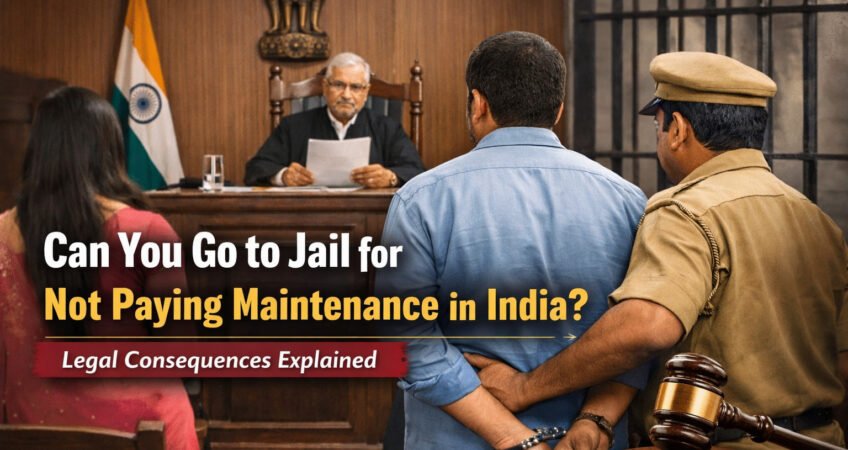
Maintenance is a legal obligation in India meant to ensure financial support for a spouse, child, or dependent parent after separation or divorce. Courts take maintenance orders seriously, and failure to comply can lead to strict legal consequences.

A common question people ask is: Can you go to jail for not paying maintenance in India?
The short answer is yes—but it depends on the circumstances, intent, and court orders.

Legal Basis of Maintenance in India

Maintenance is governed by multiple laws, including:

  • Section 125 CrPC – Provides maintenance to wife, children, and parents
  • Hindu Marriage Act, 1955 – Covers alimony and permanent maintenance
  • Protection of Women from Domestic Violence Act, 2005 – Grants monetary relief and maintenance

These laws empower courts to ensure that financially dependent individuals are not left without support.

 What Happens If You Don’t Pay Maintenance?

If a person fails to comply with a maintenance order, the following legal steps may be taken:

  1. Court Notice

The court may issue a notice asking why the payment has not been made.

  1. Execution Petition

The aggrieved party (wife/child/parent) can file an execution petition to enforce the order.

  1. Recovery Proceedings

The court may initiate recovery proceedings similar to debt recovery.

Ignoring maintenance orders can escalate the situation quickly, leading to stricter actions.

 Can You Go to Jail for Not Paying Maintenance?

Yes, Indian courts can order imprisonment for non-payment of maintenance.

Key Points:

  • Jail is usually ordered under Section 125 CrPC
  • Imprisonment can extend up to 1 month for each default
  • Repeated non-payment can lead to repeated jail terms
  • Jail does not cancel the maintenance liability—payment is still required

Courts generally use jail as a last resort when the person deliberately avoids payment despite having the means.

How Courts Recover Unpaid Maintenance

Courts have strong enforcement mechanisms to recover unpaid maintenance:

 Salary Attachment

A portion of the salary can be directly deducted.

 Bank Account Seizure

Courts can freeze or withdraw funds from bank accounts.

Property Attachment

Movable and immovable property may be seized.

 Warrants

Courts may issue bailable or non-bailable warrants in serious cases.

What If the Husband Has No Income?

Many people assume that claiming unemployment can avoid maintenance—but that’s not entirely true.

  • Courts assess earning capacity, not just actual income
  • If a person is intentionally unemployed, the court may still order payment
  • Skilled individuals are expected to earn and support dependents

The court looks at lifestyle, qualifications, and past income before making a decision.

Can Maintenance Be Reduced or Cancelled?

Yes, maintenance can be modified under certain conditions:

Valid Grounds for Reduction:

  • Loss of job or financial hardship
  • Change in income
  • Illness or disability

 Grounds for Cancellation:

  • Remarriage of spouse
  • Mutual settlement
  • Change in dependency status

A proper legal application must be filed—simply stopping payment is not allowed.

Legal Remedies for Wife, Child, or Parent

If maintenance is not paid, the dependent party can:

  • File an execution petition
  • Request salary attachment
  • Seek arrest warrant
  • Claim arrears with interest

Courts generally act in favor of ensuring financial security for dependents.

Important Legal Insight

Non-payment of maintenance is viewed seriously by Indian courts because it directly affects the survival and dignity of dependents.

Deliberate default = strict action
Genuine inability = possible relief (with proof)

Conclusion

Failure to pay maintenance in India can lead to serious legal consequences, including salary attachment, property seizure, and even imprisonment. Courts prioritize the welfare of dependents and ensure that maintenance orders are strictly enforced.

If you are unable to pay, the correct approach is to seek legal modification, not ignore the order. Similarly, if you are not receiving maintenance, the law provides strong remedies to enforce your rights.

FAQs (Frequently Asked Questions)

  1. Can court issue an arrest warrant for not paying maintenance?

Yes, courts can issue a warrant if the person repeatedly fails to comply with maintenance orders.

  1. How long can you go to jail for not paying maintenance?

You can be jailed for up to 1 month for each default, and repeated defaults can lead to multiple jail terms.

  1. Does going to jail clear maintenance dues?

No, imprisonment does not cancel the liability. You still have to pay the pending amount.

  1. What if I genuinely cannot afford to pay maintenance?

You must approach the court and file for modification. Courts may reduce the amount if genuine hardship is proven.

  1. Can an NRI be jailed for not paying maintenance in India?

Yes, courts can take action against NRIs, including warrants and legal enforcement through proper channels.

  1. What happens if maintenance is not paid for several months?

The court may order recovery, attach assets, and even issue arrest warrants for continuous default.

Written by Adv. Karan Dua, practising in Delhi, focuses on matrimonial and family law matters.


Child maintenance in India is not calculated using a strict formula or fixed percentage. Instead, courts take a balanced and practical approach, focusing on what is fair for the child while also considering the financial capacity of both parents. The primary objective is simple: the child should not suffer because of the separation or divorce of the parents.

Under Indian law, a child has a legal right to be financially supported. This right exists regardless of whether the parents are married, separated, or divorced. Courts derive this principle from provisions like Section 125 CrPC and other personal laws, which ensure that children are not left without adequate resources for their upbringing.

In real court scenarios, the question is not just “how much should be paid,” but rather “what does the child need to live a stable and dignified life?” Judges closely examine the lifestyle the child was accustomed to before the dispute. If the child was studying in a good school, had access to healthcare, and lived in a certain standard of comfort, courts generally try to maintain that level as much as possible.

The income of the paying parent plays a crucial role, but it is not the only factor. Courts also look at the earning capacity of both parents, their qualifications, and even their potential to earn. For instance, if one parent is deliberately underreporting income or trying to avoid financial responsibility, courts have the authority to assess lifestyle indicators such as property ownership, travel history, and spending patterns to estimate actual income.

Another important aspect is the child’s specific needs. Maintenance is not limited to basic food and shelter. It includes education expenses, tuition fees, medical costs, extracurricular activities, and sometimes even future planning. In metropolitan cities, especially places like Delhi, where the cost of living is higher, maintenance amounts are often adjusted accordingly.

Courts also recognize that parenting is a shared responsibility. While traditionally one parent may be directed to pay maintenance, the financial contribution of the other parent is also considered. If both parents are earning, the burden is distributed in a way that reflects their respective incomes and responsibilities.

It is important to understand that child maintenance can be granted at different stages. During the ongoing case, the court may order interim maintenance to ensure the child’s immediate needs are met. Once the case is decided, a final or permanent maintenance amount may be fixed. However, this is not always permanent in the strict sense—if circumstances change significantly, such as loss of job or increase in income, the amount can be modified by the court.

Non-payment of maintenance is taken seriously in India. Courts have the power to enforce orders through legal mechanisms, including penalties and even imprisonment in certain cases. This ensures that the child’s rights are protected and not merely theoretical.

In essence, there is no one-size-fits-all number for child maintenance in India. The amount varies from case to case, sometimes ranging from modest sums to substantial payments depending on the financial standing of the parents. The guiding principle remains the welfare of the child above all else.

Frequently Asked Questions (FAQs)

1. Is there a fixed percentage for child maintenance in India?
No, Indian courts do not follow a fixed percentage rule. Each case is decided based on the child’s needs and the financial situation of both parents.

2. Can a father refuse to pay child maintenance?
No, a father cannot legally refuse if the court orders maintenance. Failure to comply can lead to legal consequences, including enforcement action.

3. Does a working mother affect child maintenance?
Yes, if the mother is earning, the court considers her income as well. However, this does not eliminate the father’s responsibility.

4. What expenses are included in child maintenance?
Maintenance typically covers education, food, clothing, medical expenses, housing, and extracurricular activities.

5. Can the maintenance amount be changed later?
Yes, if there is a significant change in circumstances—such as income increase, job loss, or rising child expenses—the court can modify the amount.

6. How long does a parent have to pay maintenance for a child?
Generally, maintenance is paid until the child becomes an adult. However, in some cases (like higher education or special needs), support may continue longer.

Written by Adv. Karan Dua, practising in Delhi, focuses on matrimonial and family law matters.